Introduction
Kenya generates over 22,000 tonnes of waste every single day. Only a small fraction is recycled. The rest fills open dumpsites, rivers, roadsides, forests and even our backyards. This is not just an environmental crisis — it is a public health, social justice, and economic crisis.
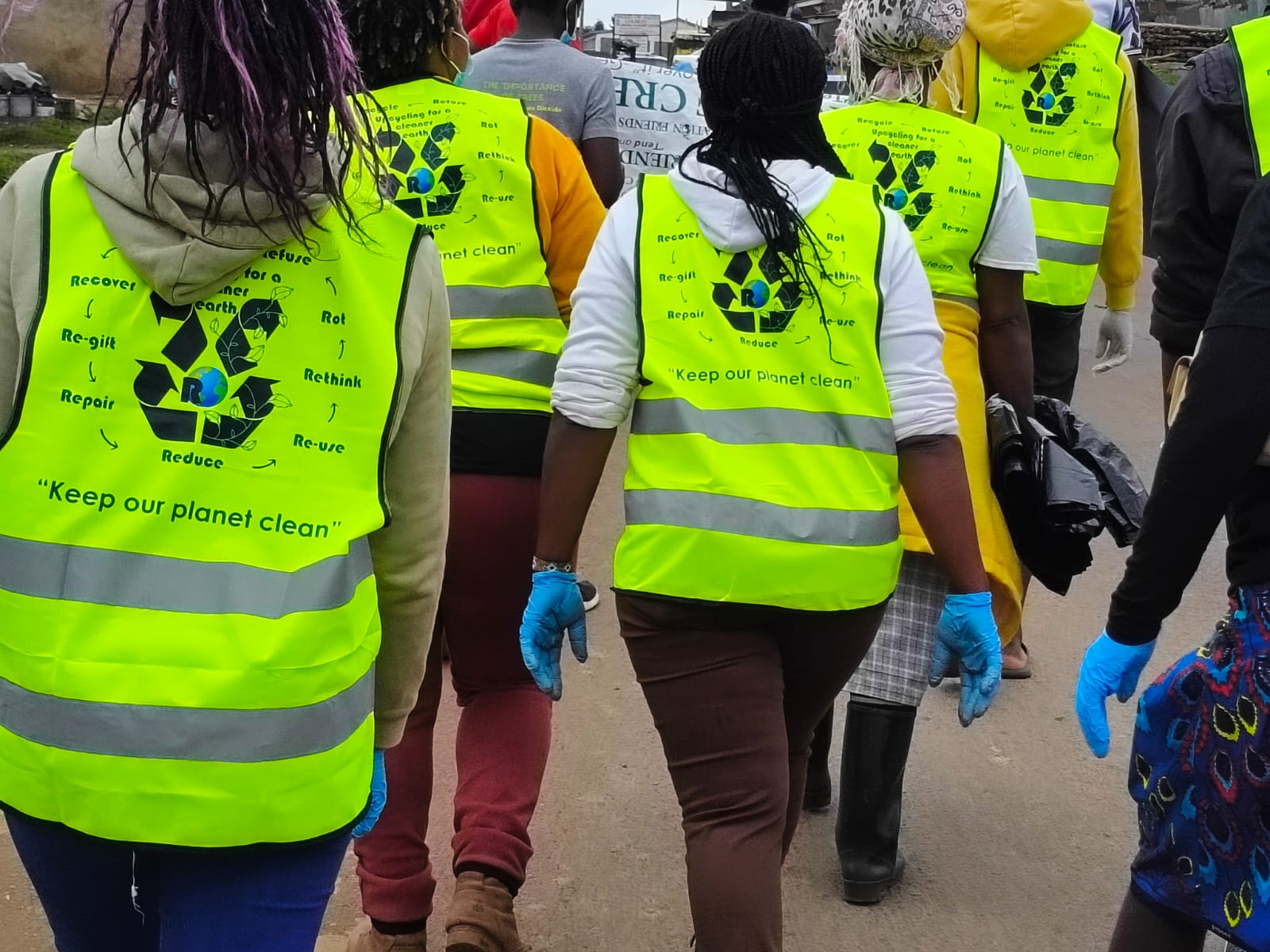
At Friends of Creation (FOC), we believe that the solution begins not with large institutions alone, but with families, children, and communities making small but consistent changes.
1. The Harsh Reality of Waste in Kenya
Most households still mix organic waste, plastics, diapers, glass, paper and hazardous items into one bin.
This contamination makes recycling nearly impossible.
Dumpsites such as Dandora continue to overflow.
Open burning of waste releases harmful toxins into the air.
Rivers and wetlands are choking under illegal dumping.
The truth is clear: Kenya does not have a waste generation problem. We have a waste management and behavioral problem.
2. The Human Cost
Unmanaged waste affects:
Health — infections, respiratory problems, contaminated water
Environment — polluted soils, blocked drainage, dying ecosystems
Livelihoods — lower agricultural yields, polluted grazing fields
Children — unsafe play environments, limited green spaces
Communities living near dumpsites are especially vulnerable.
3. A New Wave of Waste Champions Across Kenya
Across the country, citizens are waking up:
Estates introducing sorting
Schools launching environmental clubs
Youth recycling and earning income
Households choosing structured waste collection
This shift is slow — but powerful.
4. How Friends of Creation Provides Real Solutions
Eco-Collect, our waste sorting and recycling arm, supports households, estates and schools by offering:
Sorting buckets and guidance
Reliable pick-up schedules
Recycling and safe disposal pathways
Data reports for estates and partners
Income opportunities for recyclables
Every kilogram sorted is a win for the planet — and for the community
Conclusions
Kenya’s waste reality is challenging, but far from hopeless.
A cleaner, greener Kenya starts with one household at a time.
Together, we can reverse the crisis — one bucket, one family, one community at a time.
Want to join Eco-Collect?