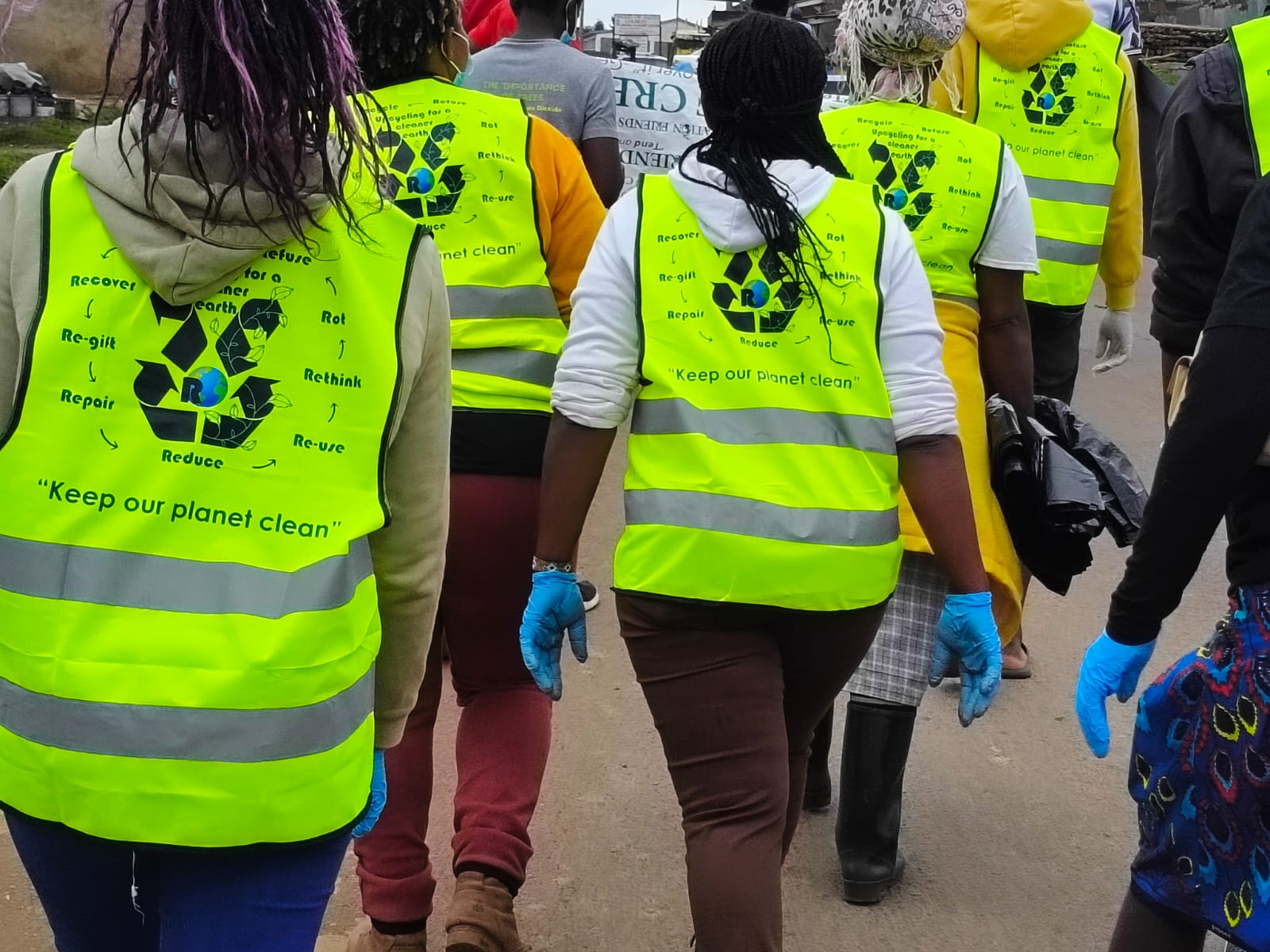
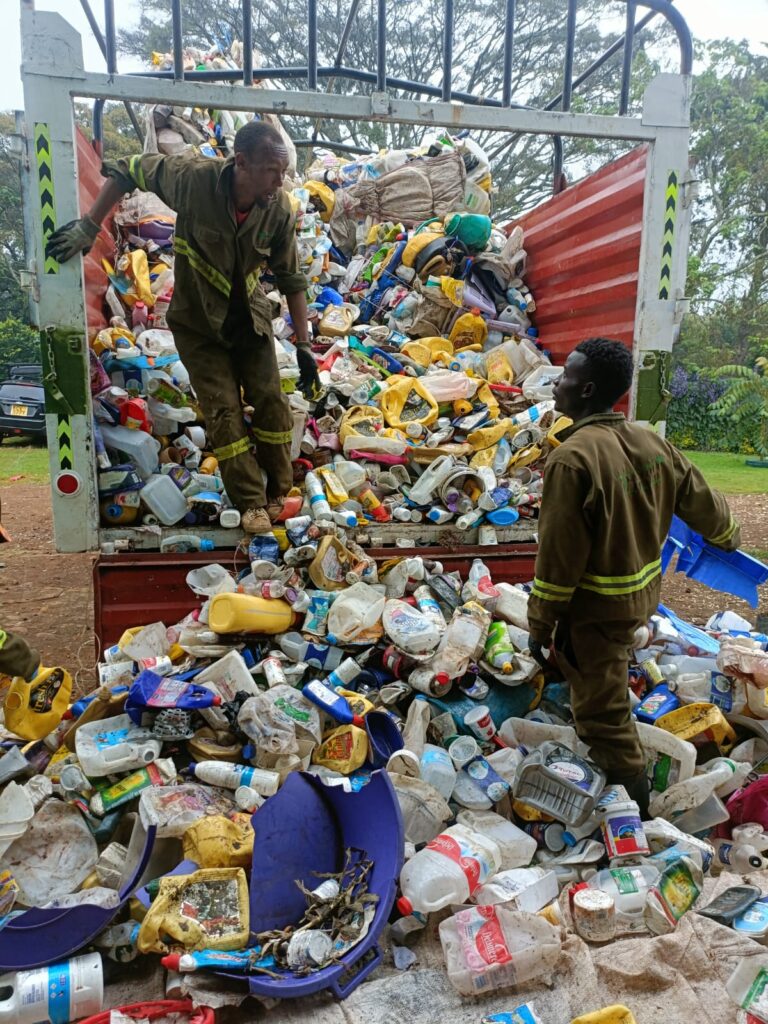
Introduction
Kenya’s Sustainable Waste Management Act (SWMA) and Extended Producer Responsibility (EPR) regulations mark the biggest shift in environmental policy in our nation’s history. These laws exist to push Kenya from “collect and dump” to sort, recycle, reuse, regenerate.
Understanding these regulations is not only about compliance — it is about protecting our health, environment and economy.
1. What Is the Sustainable Waste Management Act?
The Act requires:
- Sorting of waste at source
- Reduction of waste generation
- Full closure of open dumpsites
- Adoption of modern waste facilities
- Education and awareness campaigns
- The law makes waste sorting mandatory for every household, school, business and institution.
2. What Is Extended Producer Responsibility (EPR)?
EPR requires manufacturers and producers to:
- Track and account for the waste their products create
- Support recycling systems
- Finance collection and sorting
- Partner with licensed waste handlers like FOC
- Reduce harmful packaging
It shifts responsibility from consumers alone to those who produce and profit from products.
3. What This Means for Households
Families must now:
- Separate organic waste
- Keep recyclables clean and dry
- Store hazardous waste separately
- Work with licensed collectors
- Avoid dumping and open burning
Sorting is now the law — but it is also the simplest way to achieve cleaner neighbourhoods.
4. What This Means for Schools & Businesses
Institutions are required to:
- Provide labelled sorting stations
- Maintain waste records
- Train staff and students
- Work with licensed collectors
- Develop internal waste plans
This creates an opportunity for cleaner campuses and workplaces.
5. How Friends of Creation Supports Compliance
Through our programs:
Eco-Collect
- Sorting systems for homes and institutions
- Scheduled, structured waste pickup
- Recycling and disposal partnerships
- Compliance reporting
Eco-Warrior Clubs
- Children learn waste sorting, recycling and stewardship
- Schools earn income through recyclables
- Environmental education integrated into culture
Friends of Creation bridges policy and community practice.
Conclusions
The Sustainable Waste Management Act and EPR regulations are reshaping Kenya — and rightly so. They provide structure, accountability and opportunity.
Compliance is not just legal — it is transformational.